Soft Brushed Seamless Plaid Pattern: Choosing and Using It the Right Way
When it comes to versatile design elements, the Soft Brushed Seamless Plaid Pattern stands out for its timeless appeal and adaptability. Whether you're designing fabric, digital backgrounds, stationery, or wrapping paper, this pattern offers a subtle yet elegant texture that enhances visual projects without overpowering them. But like any design asset, its value depends heavily on how you choose, use, and apply it.
What Makes the Soft Brushed Seamless Plaid Pattern Unique?
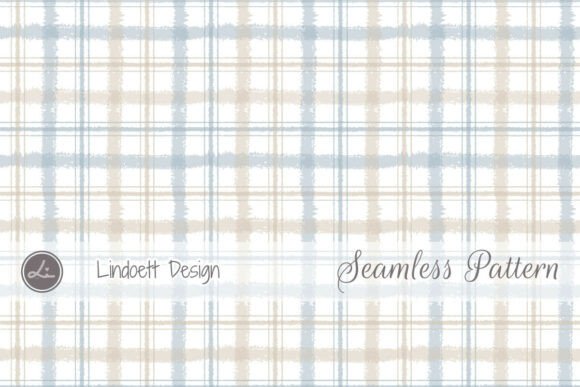
This pattern features a gentle, brushed texture layered over a classic plaid design. Unlike crisp, rigid plaid patterns, the softness gives it a handcrafted, organic feel that works well in both modern and rustic design contexts. The seamless nature ensures it can be tiled infinitely without visible seams, making it ideal for large-format applications like wallpaper or fabric printing.
One popular variation is the Soft Brushed Seamless Plaid Pattern in Muted Blue and Beige, which adds a calming, neutral color palette to the mix. These tones are especially useful for minimalist branding, baby products, or cozy home décor themes.
Common Mistakes to Avoid When Choosing a Plaid Pattern
Many users overlook important details when selecting a seamless plaid pattern. Here are some of the most common pitfalls and how they can affect your work:
- Ignoring resolution and file format – Using a low-resolution image can lead to pixelation, especially when printing large items like fabric or wallpaper. Always verify that you're getting a high-quality file (like 3600 x 3600 pixels at 300 DPI) and confirm the format (typically PNG or JPEG) supports your intended use.
- Not checking for commercial licensing – While many design assets are free for personal use, commercial use often requires a specific license. Fortunately, the Soft Brushed Seamless Plaid Pattern can be used in unlimited commercial end products, both digital and physical, as long as you don’t resell or redistribute the original file.
- Overlooking seamless tiling quality – Not all seamless patterns are created equal. Some may have subtle alignment issues that become noticeable when tiled across large surfaces. Always preview how the pattern repeats before applying it in your project.
How Mistakes Impact Your Design Workflow
Choosing the wrong pattern or misusing it can cause a ripple effect in your design process. For instance:
- Low-quality files may look fine on screen but appear blurry when printed, which can damage your brand's credibility.
- Copyright issues from unlicensed assets can lead to legal complications or costly redesigns later on.
- Seam visibility can ruin the professional look of wallpaper, fabric, or website backgrounds, making your project appear amateurish.
Practical Tips for Getting the Most from Soft Brushed Seamless Plaid Pattern
To make sure you're using this design asset effectively, follow these best practices:
- Verify file specifications before purchase – Check the resolution, dimensions, and DPI to ensure they meet your project needs. For example, if you're printing fabric for home décor, you'll need a high-resolution image that maintains clarity when scaled.
- Test the pattern in context – Don’t just view the pattern alone—place it in your actual design layout to see how it interacts with other elements. Does it clash with your color scheme? Does it look balanced in both large and small applications?
- Understand the licensing terms – Even if the pattern is available for commercial use, double-check whether redistribution or resale is allowed. In this case, the Soft Brushed Seamless Plaid Pattern is for end-use only, not for resale as a digital file or free distribution.
- Use it for the right types of projects – This pattern works beautifully for cozy branding, lifestyle content, or soft home décor. However, it might not be the best choice for high-tech or ultra-modern designs where minimalism or geometric patterns are more appropriate.
What to Check Before Downloading or Buying
Before you finalize your purchase or download, always verify the following:
- Image quality – Confirm the pattern comes in a 300 DPI resolution and at least 3600 x 3600 pixels for print applications.
- Color accuracy – If you're using the Muted Blue and Beige version, ensure the colors match your project's palette. Colors can shift slightly between screen and print, so soft proofing is recommended.
- File contents – Check whether the download includes both the seamless pattern file (PNG) and a background JPEG, as described. This gives you flexibility in how you apply the design.
- Usage rights – Make sure the license clearly states that you can use the file for both digital and physical products without watermark or attribution requirements.
Real-World Applications and Better Approaches
Let’s look at a few real-world examples of how the Soft Brushed Seamless Plaid Pattern can be used effectively:
- Stationery design – A greeting card company used the Muted Blue and Beige version for a line of seasonal cards. They tested the pattern against different fonts and found that a clean sans-serif font complemented the soft plaid without competing for attention.
- Textile printing – A small business owner used the pattern for custom throw pillow covers. Before production, they printed a sample swatch to ensure the brushed texture translated well on fabric and didn’t lose detail during the printing process.
- Digital backgrounds – A blogger used the pattern as a background for a cozy lifestyle website. They adjusted the opacity slightly to ensure readability of text content while maintaining the pattern’s visual warmth.
Final Thoughts
The Soft Brushed Seamless Plaid Pattern is a versatile and elegant design asset when used correctly. By understanding its strengths, avoiding common mistakes, and taking the time to test and apply it thoughtfully, you can elevate your creative projects without unnecessary setbacks. Whether you're a hobbyist or a professional designer, this pattern offers a soft, timeless aesthetic that can enhance a wide variety of applications.
If you have any questions about the pattern or how to use it, don’t hesitate to reach out to the creator, LindoettDesign. After all, the goal is to help you succeed with your design goals—thank you for choosing this pattern and for supporting creative work!