Garden Plant Silhouettes Pack: Enhancing Design Workflows with Versatile Vector Graphics
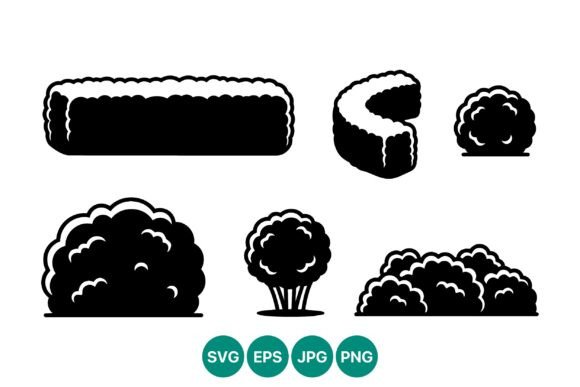
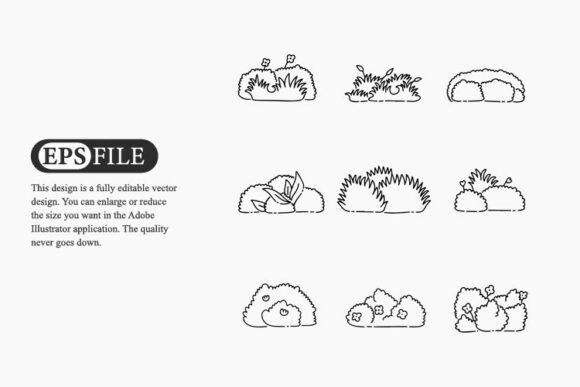
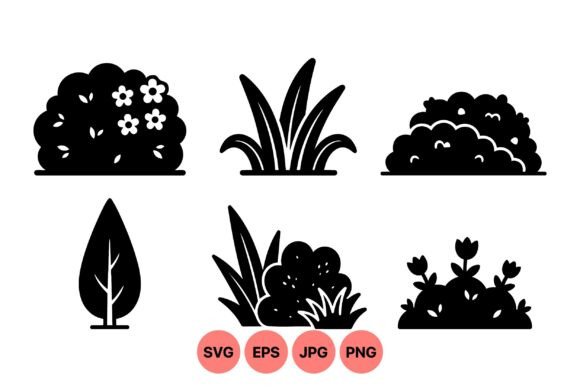
Designing for garden, nature, and landscape projects often requires a visual language that's both simple and effective. The Garden Plant Silhouettes Pack delivers precisely that with a collection of black silhouette vector icons depicting bushes, leafy plants, and flower clusters in a clean, flat style. These assets are more than just decorative elements—they serve as foundational components in design workflows where clarity, adaptability, and visual consistency are essential.
Whether you're working on a landscaping proposal, a botanical illustration, or a nature-themed branding project, the pack provides a ready-to-use library of high-contrast graphics that integrate seamlessly into a variety of creative processes. The inclusion of SVG, PNG, JPG, and EPS file formats ensures compatibility across platforms and design tools, from Adobe Illustrator to Figma and beyond.
Using the Garden Plant Silhouettes Pack Across Project Stages
One of the key strengths of the Garden Plant Silhouettes Pack is its flexibility in how and when it can be used throughout a project lifecycle. In the early planning stages, these silhouettes can act as placeholders or visual guides during wireframing or concept sketching. Their simplicity allows designers to focus on composition and layout without getting bogged down by detail too early.
During the execution phase, the pack becomes a practical resource for adding visual elements to presentations, brochures, infographics, or web assets. For example, a landscape architect might use the silhouettes to represent different plant species in a site plan, while a digital marketer could integrate them into social media templates for a gardening brand campaign.
Even after a project is complete, these graphics maintain relevance in post-production workflows. They can be repurposed across marketing materials, reused in future designs, or archived as part of a brand asset library. Their scalability ensures they remain crisp and professional at any size, making them ideal for both print and digital applications.
Integration with Tools and Platforms
The Garden Plant Silhouettes Pack is designed to work within established creative ecosystems. The availability of SVG and EPS files means it's compatible with most vector editing software, allowing for easy customization and integration. Designers can recolor, resize, or combine elements without loss of quality, which is especially useful when maintaining brand consistency across multiple deliverables.
For those working in web development or UI/UX design, SVG files offer additional benefits. They are resolution-independent, which means they scale beautifully across devices, and they can be manipulated with CSS or JavaScript for interactive elements. This makes the pack a valuable resource not just for static designs, but also for responsive digital experiences related to gardening, ecology, or outdoor living.
Additionally, the pack's PNG and JPG formats allow for quick insertion into platforms that may not support vector editing, such as Canva, PowerPoint, or Google Docs. This versatility ensures that users across different roles—whether they're educators creating classroom materials or entrepreneurs building pitch decks—can leverage the same assets without technical barriers.
Practical Workflow Tips for Using the Pack
To make the most of the Garden Plant Silhouettes Pack, it's helpful to consider how it fits into your existing design or content creation process. Here are a few practical tips:
- Organize by category: Sort the files by plant type (bushes, flowers, leafy plants) before importing them into your design tool. This makes it easier to locate the right assets quickly during the layout phase.
- Create reusable templates: If you frequently design for nature-related projects, build a template library using the silhouettes. This reduces setup time and promotes visual consistency across deliverables.
- Use layers effectively: In vector-based software, keep each plant element on a separate layer. This allows for easy adjustments and maintains flexibility in your workflow.
- Pair with complementary assets: Combine the silhouettes with textures, gradients, or typography to enhance visual storytelling. For instance, pairing a leafy bush silhouette with a nature-themed font can reinforce the theme of an infographic or poster.
By embedding the Garden Plant Silhouettes Pack into your standard workflow, you can streamline the design process and reduce the time spent sourcing or creating plant graphics from scratch. This efficiency is especially valuable when working under tight deadlines or managing multiple projects simultaneously.
Quality and Long-Term Use Considerations
When selecting design assets, longevity and quality are crucial. The Garden Plant Silhouettes Pack is built with scalability and durability in mind. The vector formats (SVG and EPS) ensure that graphics remain sharp and clear regardless of size, which is essential for both print and digital applications.
Additionally, the flat, monochromatic style of the silhouettes gives them a timeless quality that won't quickly fall out of fashion. This makes them suitable for long-term use across evolving projects without the need for frequent redesigns.
From an organizational standpoint, maintaining a consistent naming convention and folder structure for the downloaded files will help ensure that the pack remains a reliable resource over time. Consider backing up the original ZIP folder in a cloud storage system to preserve access across devices and team members.
Conclusion: A Versatile Tool for Visual Clarity
The Garden Plant Silhouettes Pack is more than just a set of design graphics—it's a functional tool that supports clarity, efficiency, and consistency in creative workflows. Whether you're a professional designer, educator, marketer, or hobbyist, integrating these assets into your process can simplify visual communication and enhance the overall quality of your work.
By understanding how to use the pack effectively at different stages of a project, integrating it with your preferred tools, and organizing it for long-term accessibility, you can maximize its value and streamline your creative output. The result is a more focused, productive, and visually cohesive design process that supports both personal and professional goals.