Brushed Copper Surface: Practical Uses and Smart Choices for Creative Projects
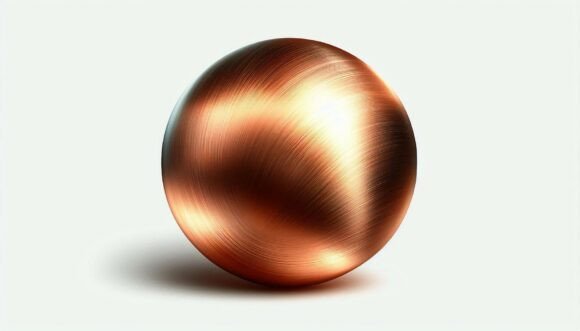
If you've ever admired the warm, metallic sheen of a brushed copper finish, you know how striking it can be in design. Brushed Copper Surface refers to a textured, non-reflective metal look that mimics the appearance of real copper that's been lightly sanded or etched. It's a popular choice in digital design, print media, and product decoration because it brings a touch of elegance and industrial charm to visuals. Whether you're designing invitations, marketing materials, or custom apparel, this surface style can elevate your work when used correctly.
Common Missteps When Choosing and Using Brushed Copper Surface
While the appeal of Brushed Copper Surface is undeniable, many creators overlook key details that can impact the final outcome. Here are some common mistakes and how to avoid them:
1. Assuming All Brushed Copper Looks Are the Same
Not all digital representations of Brushed Copper Surface are created equal. Some may appear too glossy, others too flat, and some may not scale well across different sizes. This can lead to inconsistencies in branding materials or printed products like mugs or t-shirts.
Better approach: Always preview the file at different sizes and on different backgrounds. Check if the texture maintains its integrity and doesn't pixelate when enlarged. Look for high-resolution JPEG files that clearly show the brushed pattern and metallic warmth.
2. Overlooking File Quality and Compatibility
Many users download what they believe to be high-resolution files, only to find they're low quality or not suitable for their intended use. This often happens when using free or unverified sources. The result? Blurry prints or poor display on websites.
Better approach: Ensure you're getting 300 DPI JPEG files that are suitable for both print and digital use. If you're planning to use them in Canva or other design tools, confirm that the file format and size will work well within those platforms.
3. Using Brushed Copper in Inappropriate Contexts
Brushed Copper Surface has a distinctive look that may not suit every project. For example, using it in a minimalist logo or on children's clothing might clash with the overall tone of the design.
Better approach: Consider the context. Brushed copper works best in designs that aim for sophistication, vintage flair, or modern industrial style. If your project leans toward soft, playful, or ultra-modern aesthetics, opt for a subtler texture or color palette.
How Mistakes Affect Your Results
Using the wrong Brushed Copper Surface files or applying them inappropriately can lead to several issues:
- Poor print quality – Blurry or pixelated images on mugs, tumblers, or clothing.
- Unprofessional branding – Inconsistent visuals across marketing materials can damage brand perception.
- Wasted time and money – Reordering or redesigning due to file incompatibility or poor texture choice.
These issues can be frustrating, especially for small business owners or hobbyists who rely on visual appeal to attract customers or create personal projects.
Smart Tips for Using Brushed Copper Surface Effectively
Here are some practical suggestions to help you make the most of Brushed Copper Surface in your creative work:
Check File Details Before Downloading
Always verify the resolution, file type, and usage rights. You want to ensure the files are high resolution (at least 300 DPI), in JPEG format, and licensed for both personal and commercial use if needed.
Test the Texture in Context
Before committing to a design, test the Brushed Copper Surface in a mockup. If you're creating a tumbler wrap or a T-shirt print, visualize how the texture will look when applied to the actual product. Some textures may appear too bold or dark when printed on certain materials.
Pair It with Complementary Colors and Fonts
Brushed copper has warm undertones, so pairing it with neutral tones like navy blue, deep gray, or cream can enhance its appeal. Avoid using too many competing metallics in the same design. When choosing fonts, go for clean sans-serif or elegant serif styles to balance the texture.
Use It Strategically in Web and Print Design
In website illustrations or digital marketing materials, Brushed Copper Surface can be used for icons, dividers, or background accents. On print products like cards or invitations, it can be applied as a foil-like effect without the cost of real foil printing.
What to Look for in a Brushed Copper Surface Package
If you're purchasing a package that includes Brushed Copper Surface files, here's what to expect:
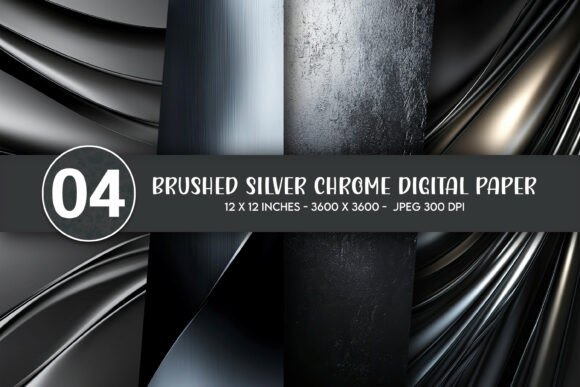
- High-resolution JPEG files – At least four variations to suit different design needs.
- Digital illustration and clipart compatibility – Files that work well in Canva, Photoshop, Illustrator, and other common design tools.
- Versatile use cases – Suitable for marketing, print-on-demand products, scrapbooking, and more.
Make sure the package includes clear instructions or a guide on how to use the files effectively. This can save time and prevent common errors.
Final Thoughts
Brushed Copper Surface is a versatile and stylish choice for creators across industries. Whether you're a blogger designing social media graphics, a small business owner creating branded merchandise, or a hobbyist working on personalized gifts, this texture can add depth and sophistication to your work. The key is to choose wisely, test thoroughly, and apply it thoughtfully to ensure your final product looks polished and professional.